As the days grow shorter and sunlight becomes scarce, many people begin to notice changes in their mood, energy, and motivation. For some, these shifts are more than just “winter blues.” They may be signs of Seasonal Affective Disorder (SAD), a form of depression that follows a seasonal pattern, most often appearing in late fall and winter.
Understanding Seasonal Affective Disorder
SAD is thought to be linked to reduced exposure to natural sunlight, which can disrupt your body’s internal clock, lower serotonin (the “feel-good” neurotransmitter), and affect melatonin levels that regulate sleep and mood. Common symptoms include:
- Persistent low mood or sadness
- Fatigue or sluggishness
- Cravings for carbohydrates or sugar
- Difficulty concentrating
- Withdrawal from social activities
- Changes in sleep patterns (often oversleeping)
If you recognize these patterns, you’re not alone, and there are many natural, functional ways to support your body and mind through the darker months.
1. Soak Up the Light
Getting natural sunlight within the first hour after waking is one of the simplest and most powerful ways to support your mood and energy during the darker months. Morning light helps regulate your body’s internal clock, boosting serotonin and cortisol in healthy rhythms that promote alertness during the day and better sleep at night.
Even on cloudy days, outdoor light exposure is far stronger than indoor lighting — so bundle up and take a short walk, enjoy your coffee on the porch, or simply stand by a bright window. Just 10–20 minutes of morning light can make a noticeable difference in mood stability, focus, and overall vitality.
A light therapy box that mimics natural sunlight can also be a useful tool.
- Choose a light box that provides 10,000 lux and filters out UV rays.
- Sit close enough that the light reaches your eyes indirectly, you don’t need to stare directly into it.
When possible, spending time outdoors during daylight hours, even brief walks at midday can make a big difference.

2. Support Your Vitamin D Levels
Low vitamin D is common during the winter months and has been linked to symptoms of depression and fatigue.
- Ask your practitioner to test your vitamin D levels
- Include vitamin D–rich foods such as salmon, sardines, egg yolks, and fortified plant milks.
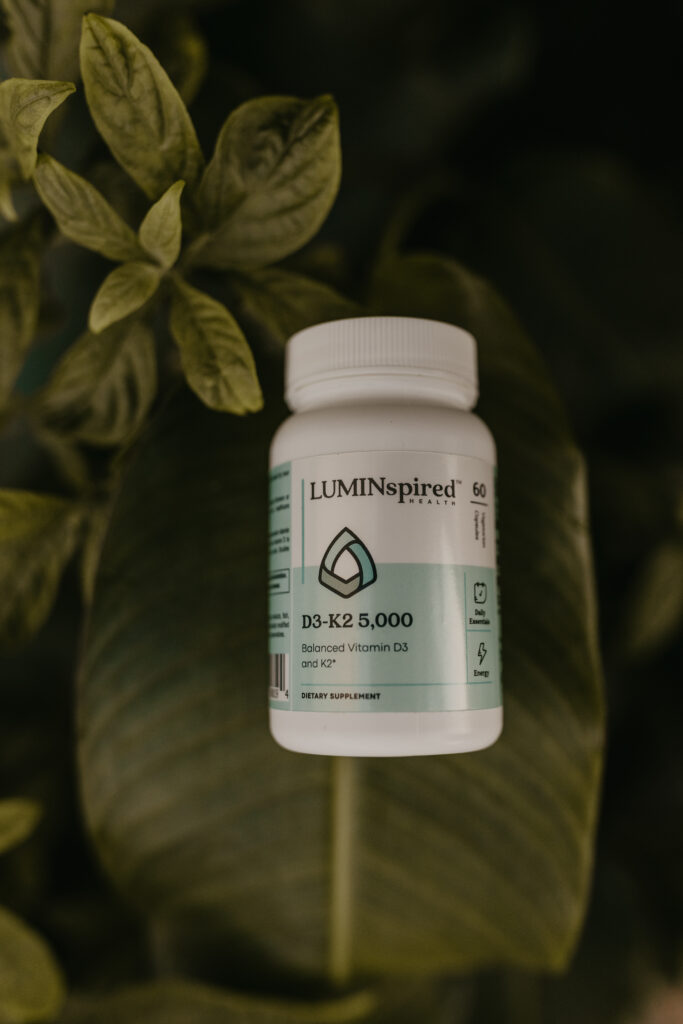
- Consider a high-quality Vitamin D supplement if your levels are low, preferably vitamin D3 with K2 for better absorption and utilization.
3. Nourish Your Mood with Food
A balanced diet can help stabilize energy and support neurotransmitter function. Focus on:
- Omega-3 fatty acids from fish, flaxseeds, and walnuts to support brain health
- Complex carbohydrates (like sweet potatoes, quinoa, and oats) to help balance blood sugar
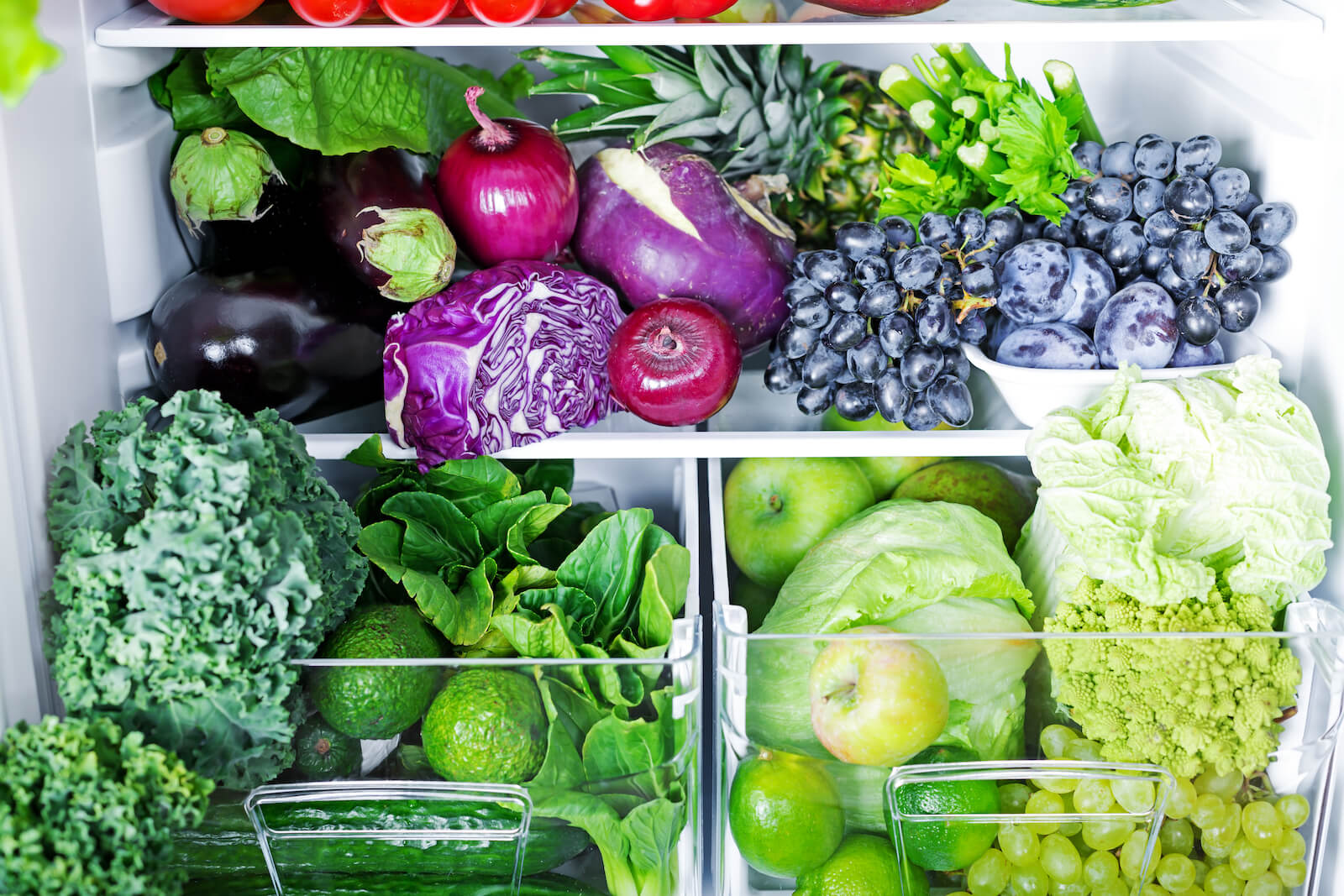
- Leafy greens and colorful vegetables for magnesium, folate, and antioxidants
- Limiting processed foods and refined sugars, which can cause mood fluctuations
Work with your Functional Medicine provider to check for nutrient imbalances, gut health concerns, or inflammation that could contribute to low mood.
4. Move Your Body Regularly
Exercise releases endorphins and boosts serotonin levels, powerful natural mood elevators. Even 20–30 minutes a day of brisk walking, yoga, or dancing in your living room can lift your spirits and combat winter sluggishness.
For added benefit, combine movement with natural light whenever possible.

5. Balance Sleep and Stress
Winter’s darker days can make you want to hibernate, but too much or too little sleep can worsen SAD symptoms.
- Aim for 7–9 hours of consistent, quality sleep.
- Keep your bedtime and wake-up times consistent, even on weekends.
- Support relaxation with adaptogenic herbs like ashwagandha, rhodiola, or holy basil.
- Incorporate mindfulness or deep breathing practices to reduce cortisol and calm the nervous system.
6. Stay Connected
Social withdrawal is common with SAD, but connection is essential for emotional well-being.
- Schedule regular meetups with friends or loved ones.
- Join a group fitness class or volunteer, giving back can boost mood and purpose.
- If symptoms persist or worsen, reach out to your healthcare provider. SAD is treatable, and you don’t have to face it alone.

A Functional Medicine Perspective
In functional medicine, we look beyond symptoms to understand why Seasonal Affective Disorder occurs in the first place. Factors like nutrient deficiencies, hormonal imbalances, sleep disruption, and limited light exposure can all play a role in how your mood shifts with the seasons. By taking a personalized approach, through lab testing, nutrition, lifestyle support, and targeted supplements, we can help restore balance to your body’s natural rhythms. Our goal is to help you feel grounded, energized, and emotionally resilient no matter what the season brings.


Want more Inspired tips?
Be sure to follow us on Instagram, Facebook, and Pinterest.
Also, sign up for our newsletter!
Visit us in-person at Inspired Health, or schedule a TeleHealth appointment!
References
- Pjrek E, Friedrich ME, Cambioli L, Dold M, Jäger F, Komorowski A, Lanzenberger R, Kasper S, Winkler D. The Efficacy of Light Therapy in the Treatment of Seasonal Affective Disorder: A Meta-Analysis of Randomized Controlled Trials. Psychother Psychosom. 2020;89(1):17-24. Epub 2019 Oct 1. PMID: 31574513.
- Terman M, Terman JS, Quitkin FM, McGrath PJ, Stewart JW, Rafferty B. Light therapy for seasonal affective disorder. A review of efficacy. Neuropsychopharmacology. 1989 Mar;2(1):1-22. PMID: 2679625.