January can feel like a strange in-between month. The holidays are over, routines are returning, and yet, you might find yourself feeling more tired than refreshed. Sleep may still feel off, energy can be inconsistent, and the motivation we expect with a “new year” doesn’t always show up right away.
If that sounds familiar, you’re not alone. From a Functional Medicine perspective, January can be a helpful time to gently pause and observe what your body needs, including how alcohol may be affecting your energy and contributing to inflammation.
This isn’t about quitting forever or following rigid rules. It’s about curiosity, awareness, and giving your system a short break.
Alcohol and Inflammation: What’s the Connection?
Alcohol isn’t inherently “bad,” but it is inflammatory. When you drink, your body prioritizes breaking down alcohol because it recognizes it as a toxin. This process:
- Produces inflammatory byproducts
- Increases oxidative stress
- Places additional demand on the liver
- Can disrupt the gut lining and microbiome
Over time, this low-grade inflammation may show up as:
- Fatigue or low motivation
- Brain fog
- Joint or muscle aches
- Digestive issues
- Skin changes
- Heightened anxiety
What’s important to understand is that alcohol affects people differently. Genetics, gut health, hormone balance, stress levels, and nutrient status all influence how well your body tolerates it. Two people can drink the same amount and feel very different afterward.
Why Alcohol Can Drain Energy (Even When It Feels Relaxing)
Although alcohol is often associated with relaxation, it’s metabolically demanding. It can interfere with how efficiently your cells produce energy, disrupt blood sugar balance, and deplete nutrients that support energy and nervous system function.
Alcohol also affects sleep, even if it helps you fall asleep faster. It tends to fragment sleep and reduce time spent in deeper, more restorative stages. This is why many people notice that when they take a break from alcohol, their energy feels steadier, mornings feel easier, and mental clarity improves, sometimes within just a couple of weeks.
In January, when energy already feels fragile for many, these changes can be especially noticeable.
Alcohol and Sleep: The Hidden Impact
One of the most immediate benefits people notice during a pause from alcohol is better sleep.
While alcohol may help you fall asleep, it reduces sleep quality by:
- Suppressing REM sleep
- Increasing nighttime awakenings
- Raising heart rate overnight
From a Functional Medicine standpoint, sleep is foundational. Poor sleep affects inflammation, hormones, blood sugar, immune function, and mood. Even a short alcohol break can improve sleep depth and consistency, with ripple effects on energy and resilience.
Gut Health, Mood, and Hormones
Alcohol has a direct impact on the gut, which plays a central role in immune function, hormone metabolism, and brain chemistry. Regular alcohol intake can alter the microbiome and increase gut permeability, which may influence digestion, inflammation, and even mood.
Because the gut and nervous system are so closely connected, people are often surprised to notice improvements in digestion, emotional steadiness, or anxiety levels during an alcohol pause. This doesn’t mean alcohol was “the problem,” but rather that the body finally has space to recalibrate.
Why a Pause Is More Helpful Than a Rule
Functional medicine is rooted in curiosity, not restriction. Rather than asking, “Should I quit drinking?” a pause invites different questions:
- How does my body feel without alcohol?
- What symptoms improve?
- What doesn’t change?
- What does this tell me about my health right now?
For some, alcohol fits comfortably back into life in a more intentional way. For others, the pause reveals underlying issues that deserve attention, such as blood sugar imbalance, poor sleep quality, or gut inflammation.
There is no “right” outcome. The information itself is valuable.
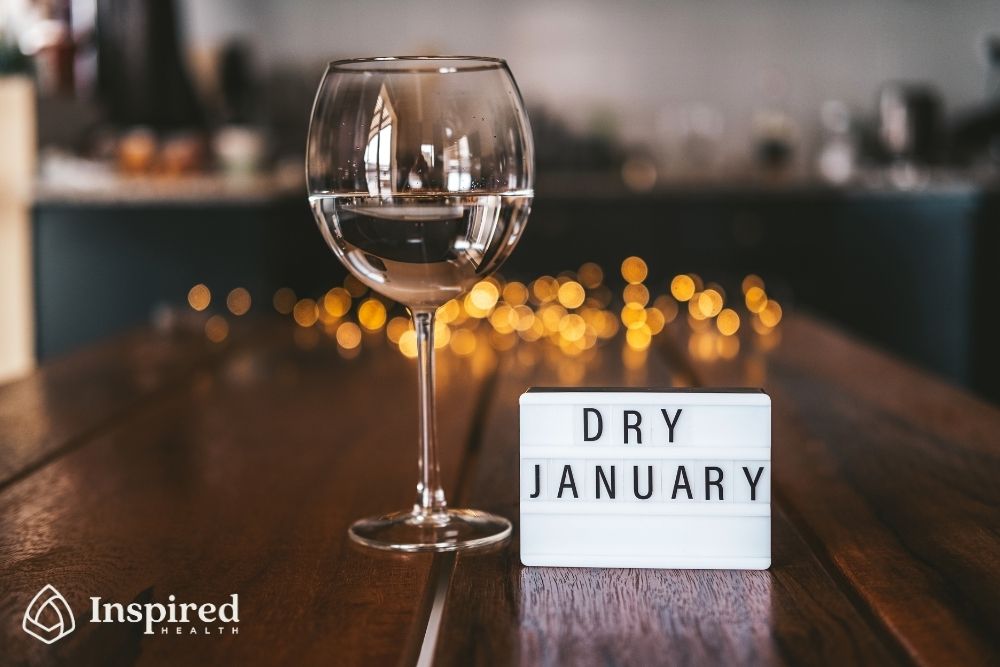
Supportive Alternatives to Alcohol
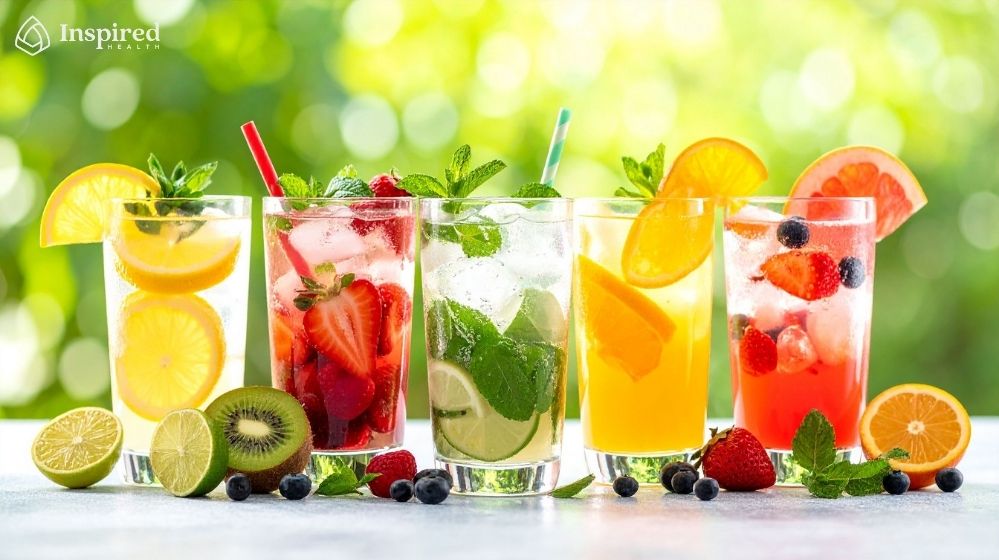
Taking a break from alcohol doesn’t have to mean skipping the ritual of relaxation or connection. Many people find that replacing alcohol with something intentional, rather than simply removing it, makes the pause feel more supportive and sustainable.
1. Sparkling Water (we love flavored Spindrift!) or you can add citrus, cucumber, berries, or fresh herbs
2. Herbal Teas (Hot or Iced)
3. Adaptogen or Botanical Drinks (Look for low-sugar options without artificial sweeteners)
4. Kombucha or Fermented Beverages (Small amounts may support gut diversity, be sure to choose low sugar varieties.
5. Functional Mocktails
These options support hydration, digestion, and nervous system balance, while still allowing space to unwind.
Looking Ahead
A January pause from alcohol can be a simple way to reduce inflammation, restore energy, and reconnect with your body’s signals. Whether you choose to resume drinking, continue a longer break, or simply become more mindful, the goal isn’t restriction, it’s awareness.
If fatigue, inflammation, digestive symptoms, or anxiety persist with or without alcohol, it may be a sign your body needs deeper support. Functional Medicine looks beyond surface symptoms to understand what’s happening underneath, and January can be a powerful time to listen.

Want more Inspired tips?
Be sure to follow us on Instagram, Facebook, and Pinterest.
Also, sign up for our newsletter!
Visit us in-person at Inspired Health, or schedule a TeleHealth appointment!
References:
Kreimeyer H, Llorente C, Schnabl B. Influence of Alcohol on the Intestinal Immune System. Alcohol Res. 2025 Mar 14;45(1):03. PMID: 40151622; PMCID: PMC11913448.
Lee J, Lee JY, Kang H. Excessive alcohol consumption: a driver of metabolic dysfunction and inflammation. Front Toxicol. 2025 Sep 29;7:1670769. doi: 10.3389/ftox.2025.1670769. PMID: 41090150; PMCID: PMC12515849.
Melamed E, Rungratanawanich W, Liangpunsakul S, Maki KA, McCullough RL, Llorente C. Alcohol, aging, and the gut microbiome: Intersections of immunity, barrier dysfunction, and disease. Alcohol. 2025 Nov;128:1-12. Epub 2025 Jul 9. PMID: 40645301.