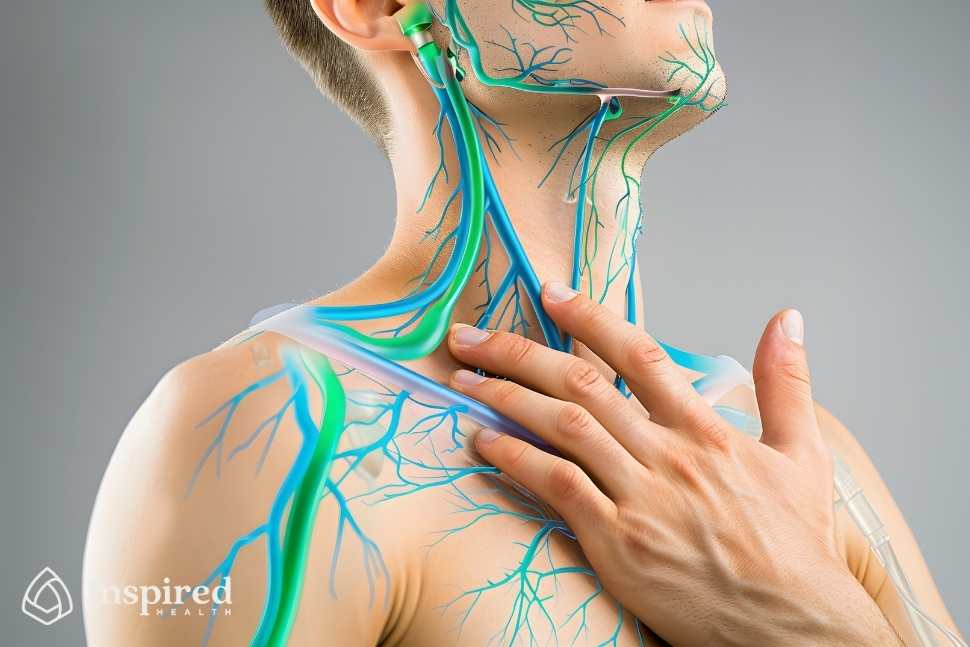
You’ve heard of the immune system, the circulatory system, maybe even the nervous system, but how much do you know about the lymphatic system?
This unsung hero of the body works quietly behind the scenes, helping you detox, fight infection, and stay balanced. When it’s flowing well, you feel energized, clear-headed, and resilient. But when it’s stagnant or sluggish, you may feel puffy, tired, or just “off.”
Let’s dive into what the lymphatic system does, why it matters more than you might think, and how to keep it flowing smoothly with simple, natural practices.
What Is the Lymphatic System?
The lymphatic system is a vast network of vessels, nodes, and organs that runs throughout your body, parallel to your circulatory system.
Its main jobs include:
- Draining waste and toxins from tissues
- Circulating lymph fluid, which carries immune cells
- Filtering pathogens and debris via lymph nodes
- Supporting immune defense against viruses, bacteria, and abnormal cells
- Transporting fats from the digestive system
Unlike your blood, which is pumped by the heart, lymph doesn’t have its own pump. It relies on movement, breath, muscle contraction, and hydration to keep things flowing.
Signs of a Sluggish Lymphatic System
When your lymphatic flow is impaired or overloaded, you may notice:
- Swelling or puffiness, especially in the face, hands, or ankles
- Fatigue or brain fog
- Frequent infections or slow healing
- Sinus congestion or allergies
- Skin issues (acne, rashes, dull complexion)
- Digestive sluggishness or bloating
How to Support Your Lymphatic System Naturally
The good news? You can activate and support your lymphatic system with simple daily habits that promote flow, drainage, and detox.
1. Move Your Body (Especially Low-Impact Movement)
Physical activity is one of the best ways to stimulate lymph flow, since movement causes muscles to contract and “squeeze” lymph through the vessels. Try:
- Walking
- Rebounding (mini-trampoline jumping)
- Yoga or stretching
- Swimming
- Dancing
- Light strength training
Even 10 minutes of movement every hour (like a stretch break or short walk) can help!

2. Dry Brushing
Dry brushing involves using a natural-bristle brush on your skin in gentle, upward strokes toward the heart. It helps stimulate superficial lymphatic vessels, exfoliate the skin, and boost circulation.
How to:
- Use before a shower on dry skin
- Start at your feet and brush upward in long strokes
- Always brush toward the heart and lymph nodes (groin, armpits, neck)
- Brush lightly, don’t scrub!
*See our Dry Brushing 101 Blog HERE.

3. Hydrate, Hydrate, Hydrate
Lymph is about 95% water, so if you’re dehydrated, your lymph can become thick and slow-moving—like trying to push syrup through a straw.
Aim for:
- Half your body weight in ounces of water daily
- More if you’re sweating, exercising, or in a dry climate
- Adding lemon or a pinch of sea salt to enhance absorption

4. Deep Breathing
Deep, diaphragmatic breathing acts like a pump for the lymphatic system, especially in the chest area.
Try this:
- Inhale deeply through your nose for 4 seconds
- Hold for 4 seconds
- Exhale slowly through your mouth for 6–8 seconds
- Repeat for 1–2 minutes several times a day
This also helps calm the nervous system and reduce stress—both of which support immune function.

5. Lymphatic Massage
Manual lymphatic drainage is a gentle form of massage that encourages the movement of lymph through the body.
You can:
- Learn to do a light version at home (especially for the neck and face)
- See a professional trained in lymphatic drainage massage, especially if you’re dealing with swelling or recovering from surgery

6. Contrast Showers or Cold Therapy
Alternating hot and cold water in the shower creates a “pumping” effect in your vessels, encouraging lymph movement. Try:
- 1–2 minutes of hot water, followed by 30 seconds of cold
- Repeat for 3–5 cycles
- Always end on cold
Bonus: Cold exposure may also reduce inflammation and improve circulation.

7. Eat Lymph-Friendly Foods
A clean, anti-inflammatory diet supports detox and reduces lymphatic congestion.
Favor:
- Leafy greens (kale, spinach, arugula)
- Citrus fruits (especially lemon and grapefruit)
- Berries
- Ginger, turmeric, and garlic
- Cucumber and celery (hydrating and detoxifying)
- Omega-3s (chia seeds, flaxseeds, wild salmon)
Limit:
- Highly processed foods
- Refined sugar
- Excess sodium
- Dairy (if you’re sensitive)

8. Support Gut and Liver Health
The lymphatic system is closely connected to your gut and liver, especially through the gut-associated lymphoid tissue (GALT). Supporting digestion and detox pathways helps prevent lymph overload.
Support with:
- Probiotics and fiber-rich foods
- Liver-supporting herbs like milk thistle and dandelion
- Avoiding alcohol and environmental toxins when possible

Your lymphatic system is essential for keeping your body clean, balanced, and resilient, but it often gets overlooked until something goes wrong. The best time to support it? Every day, before problems start.
Fortunately, the tools are simple: move your body, stay hydrated, breathe deeply, and support your natural detox pathways. When your lymph flows freely, your body can thrive, and you’ll feel lighter, clearer, and more energized as a result.

Want more Inspired tips?
Be sure to follow us on Instagram, Facebook, and Pinterest.
Also, sign up for our newsletter!
Visit us in-person at Inspired Health, or schedule a TeleHealth appointment!
References
- Douglass J, Mableson HE, Martindale S, Kelly-Hope LA. An Enhanced Self-Care Protocol for People Affected by Moderate to Severe Lymphedema. Methods Protoc. 2019 Sep 4;2(3):77. PMID: 31487887; PMCID: PMC6789820.
- Zwaag J, Naaktgeboren R, van Herwaarden AE, Pickkers P, Kox M. The Effects of Cold Exposure Training and a Breathing Exercise on the Inflammatory Response in Humans: A Pilot Study. Psychosom Med. 2022 May 1;84(4):457-467. Epub 2022 Feb 23. PMID: 35213875; PMCID: PMC9071023.