There’s something incredibly empowering about stepping into your backyard and harvesting food you’ve grown yourself. That’s where Ashley Joyce of Bend Urban Gardens comes in! Through her thoughtful blend of education, practical support, and contagious enthusiasm, Ashley helps local gardeners (including Dr. Weintrob and Dr. Dishman) discover that growing food is possible AND deeply rewarding. In this month’s Community Connection, Ashley shares the wisdom she’s gained through years of teaching and gardening, and why she believes anyone can develop a green thumb with the right guidance and a little curiosity.
IHM: Hi Ashley! We’re so excited to introduce you to our Inspired Health community! Dr. Weintrob and Dr. Dishman have both been singing your praises as you’ve been helping them with their gardens this year. Could you begin by telling us about yourself and your fascinating journey to starting Bend Urban Gardens?
AJ: Awww, it’s been such a joy to help them both in their garden spaces.
I moved to Bend when I was eleven years old. After high school, I spent a year in rural Finland as a Rotary Youth Exchange Student, where I milked cows and saw vegetables growing in the gardens of my host families. I never grew a vegetable in my life, though, until after graduating from college. Equipped with degrees in Anthropology and International and Global Studies, I served as an AmeriCorps VISTA volunteer in Philadelphia, helping my neighbors gain greater access to nutritious food. I volunteered on an urban farm in my neighborhood and was inspired to grow my first garden on the rooftop of my row house in West Philly. Even though squirrels ate my first tomatoes, I was hooked on gardening.
I then apprenticed on organic vegetable farms in Oregon and California, and earned a Certificate in Ecological Horticulture from the Center for Agroecology and Sustainable Food Systems at UC Santa Cruz. In 2009, I moved back home to Bend and spent nearly nine years teaching nutrition, cooking, and gardening, as an educator with the OSU Extension Service SNAP-ED Program in Deschutes County, proudly wearing a cape on a daily basis in my role as a Food Hero.
As a 2014 graduate of the Master of Arts in Teaching Program at OSU Cascades, I’m also a licensed early childhood and elementary teacher with an ESOL (English to Speakers of Other Languages) endorsement. I was in between teaching positions in early 2020 and woke up one February morning and decided to start Bend Urban Gardens. COVID hit and people wanted to start victory gardens and I haven’t been back in the school house since (except to get outside to build school gardens)!
Bend Urban Gardens combines my contagious enthusiasm for growing vegetables as well as my teaching skills and strategies to provide helpful and engaging edible garden inspiration and mentorship.
IHM: Can you tell us a little about the services you offer to help people grow their own food?
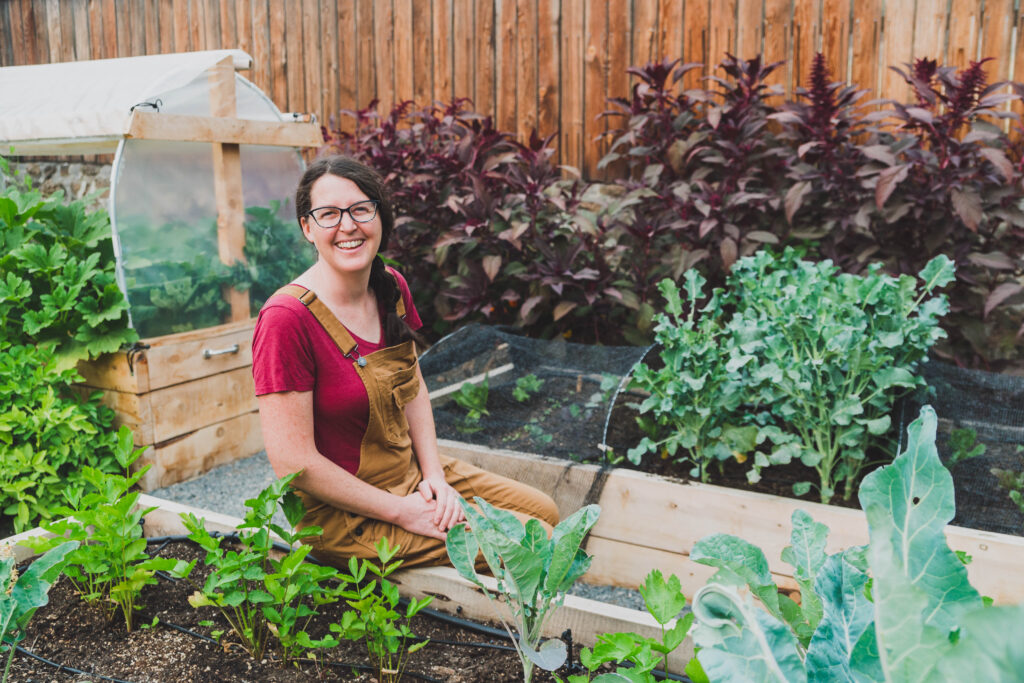
AJ: Bend Urban Gardens is a foodscaping business that empowers aspiring vegetable gardeners to grow food. We offer exceptional, full-service support to sow the seeds for health in your own yard. Our services range from on-site consultations and empowering garden lessons, custom raised garden bed construction out of locally milled lumber, innovative season extenders and critter cages, expertly designed personalized crop plans, and a variety of climate-appropriate organically grown plant starts.
IHM: Growing food at home feels like such a simple act, but it has a ripple effect. What impact do you think home gardens have on our community?
AJ: Most gardeners seek out our services to help them meet their goals of growing nutritious and delicious food right out their kitchen door. We definitely support gardeners in growing meaningful harvests and when that abundance leads to shared meals or gifted produce, it brings nourishment and joy to others, and sometimes even inspires more people to grow some of their own food, too. We’ve also seen gardeners gain a greater understanding of the inputs that go into growing food, which leads to more curiosity about where the rest of their food comes from, leading them to supplement what they grow at home with more locally raised food.
The benefits of gardening are so much greater than the yields that come out of the spaces we help steward, though. From feeling grounded when getting hands in soil, experiencing awe, and admiring the beauty of plants, supporting or, in some gardens, learning to co-exist with wildlife, and practicing unattachment when we embrace the many variables we can’t control in our gardens – these are all practices and lessons that can be applied to how we show up in our community.
IHM: Central Oregon has a reputation for being a challenging place to grow vegetables. In your experience, is this a misconception?
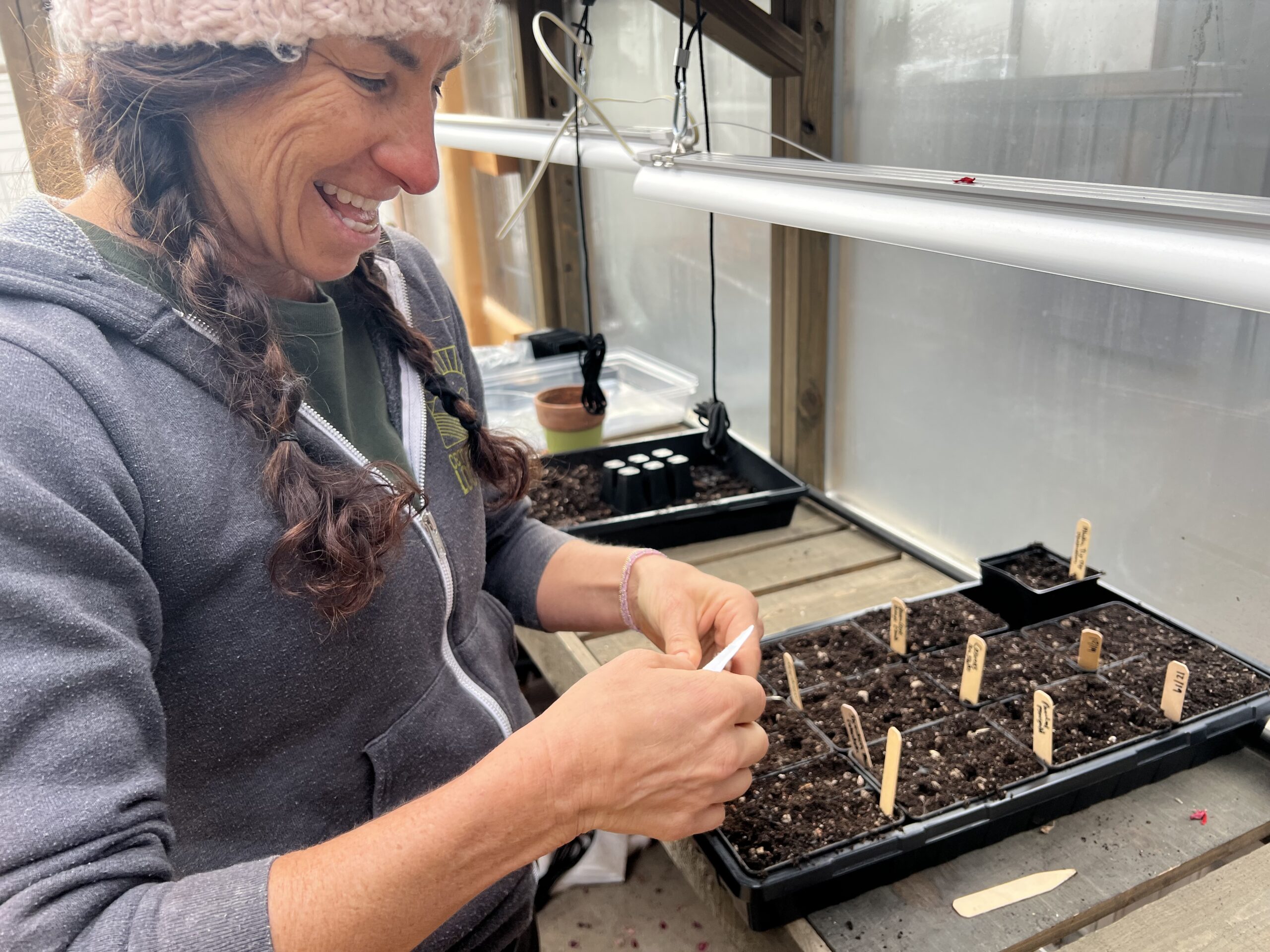
AJ: It is true that growing food in Central Oregon can be much more challenging than in many other climates. We have a short growing season, can get frost any day of the year, we often have drastic daily day/night temperature swings, and we have sandy, nutrient deficient soil.
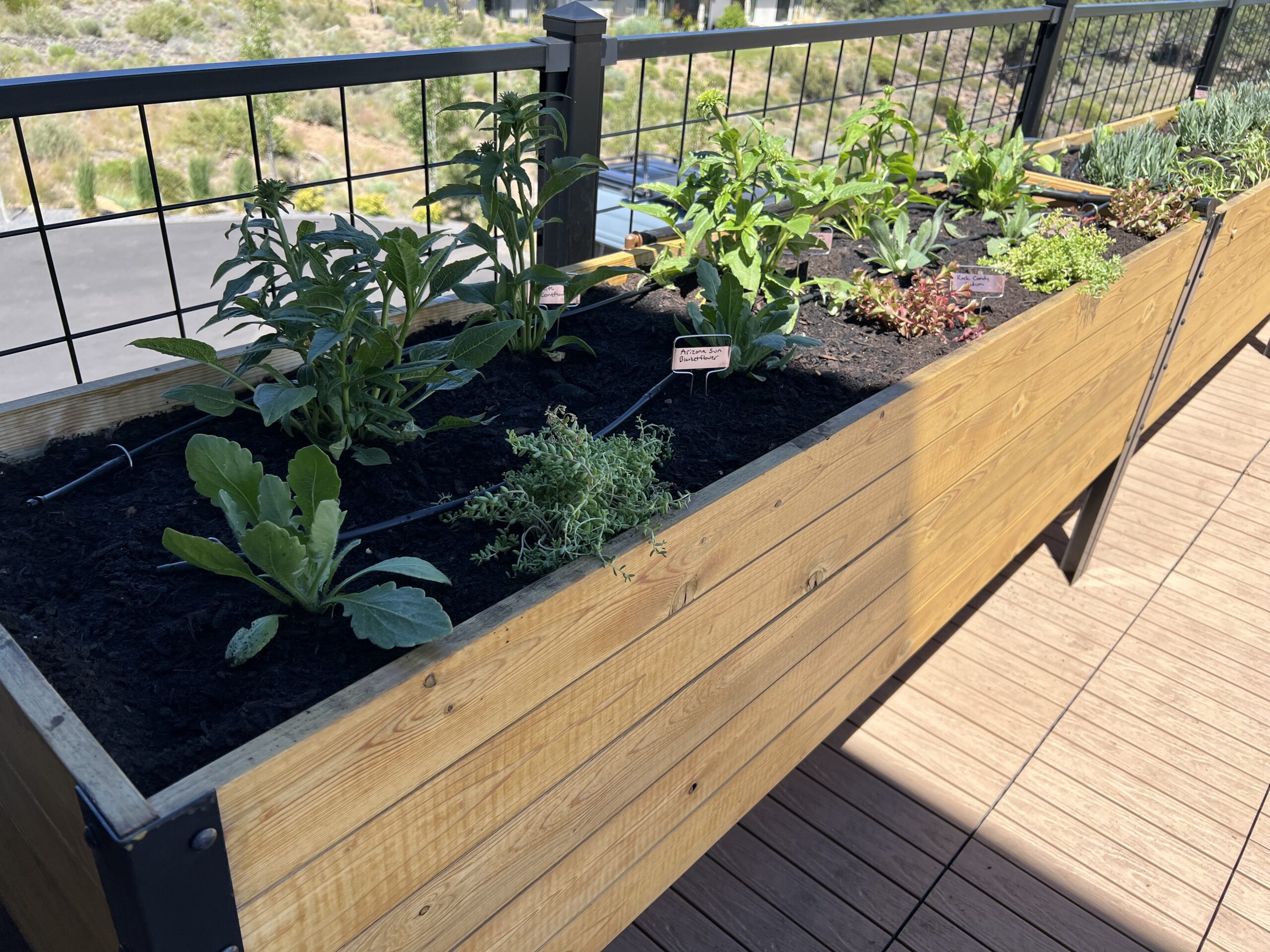
Despite these challenges, though, it is possible to find some ease in gardening in Central Oregon. This is why we build so many raised garden beds. Compared to in-ground beds, raised beds typically warm up faster in the spring and retain heat in the fall. We fill veggie garden beds with high quality soil mix that includes both top soil for good soil structure and compost to provide nutrients and the ability to hold water for plants.
We also offer mini hoophouses (also sometimes called cloches) to place over raised garden beds to create an environment to direct sow seeds and transplant starts earlier in the spring, and even allow for winter harvesting. Cloches can protect frost sensitive plants in the fall, whenever the temps drop in the middle of summer, or we get an August hail storm! Developing a habit of closing your hoophouse in the late afternoon can also help minimize drastic temperature swings. Other season extension tools like frost cloth, shade cloth, and walls of water can be super effective as well.
Another way to set yourself up for success is being prepared with a crop plan to maximize growing space to keep your garden in constant production throughout our short growing season. Planting the right plants at the right time is key, as well as choosing short season varietiesthat are appropriate for our region.
IHM: For someone with zero experience growing their own food, what would you encourage them to grow first?
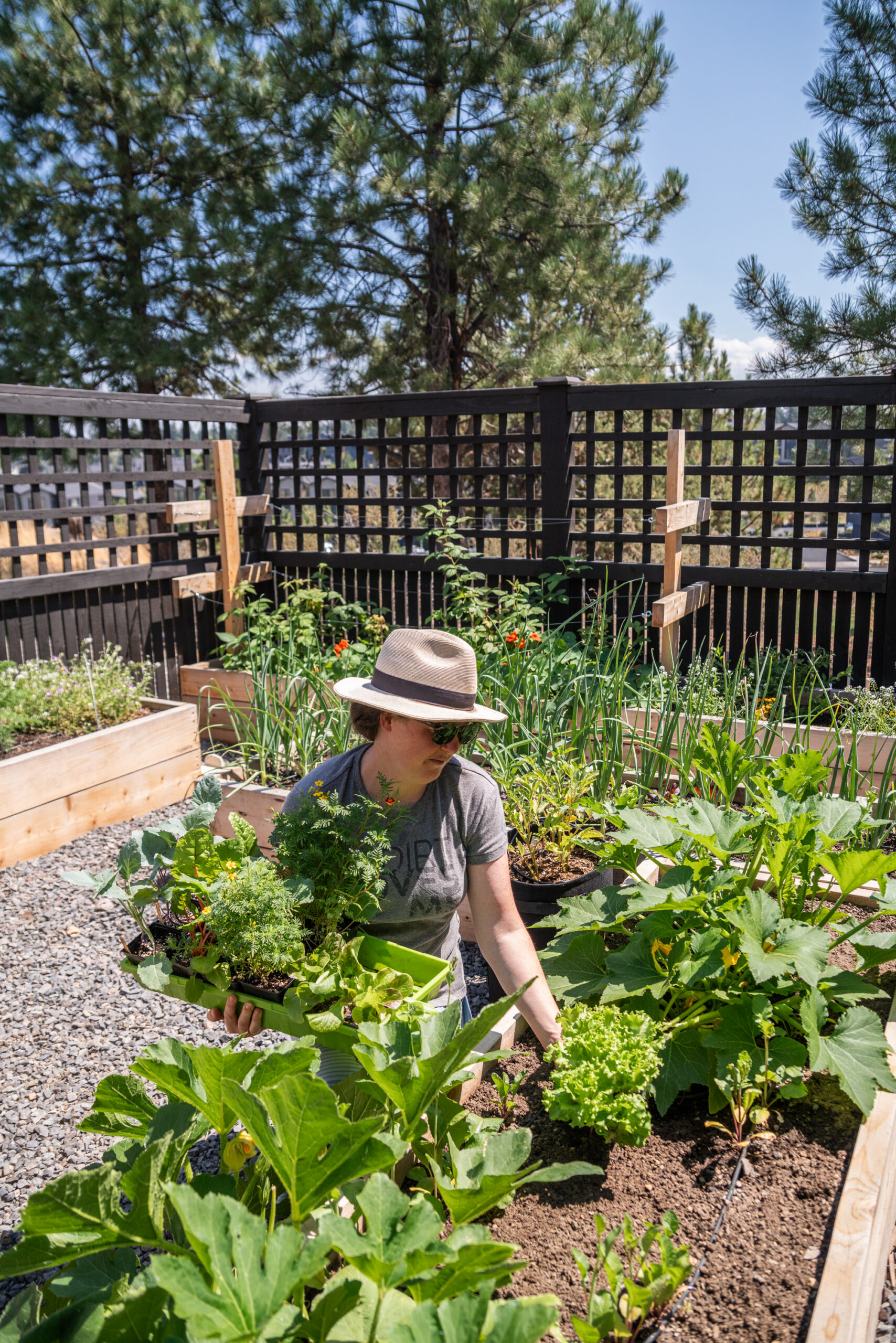
AJ: Crops that yield a continuous harvest seem to be the most meaningful for home gardeners. There’s nothing quite like harvesting a sweet, crunchy carrot right out of your garden, but it’s a “one and done” crop that takes up real estate for a few months. Herbs and leafy greens tend to be some of the most meaningful crops for most of the gardeners we work with. As soon as soil temperature is consistently 45 degrees in the spring, try direct sowing spinach, arugula and salad mix. These cut and come again greens should yield 2-3 harvests off of one sowing. Try planting them again in mid- August to early September for fall eating. Kale, chard, bush snap peas and bush beans, cherry tomatoes, zucchini, and snacking cucumbers (with frost protection) are also great choices. I am on a personal mission to guide more gardeners in appreciating kohlrabi. While they are also one and done crops, getting to eat the leaves along with their modified stems can be super satisfying. Plus, quite a few plants can fit in a small space!
IHM: As a business owner, educator, and gardener, your days are full! You help others reconnect with nature and grow healthy food. How do you make sure you’re also taking time to nurture yourself? Is your own garden still a place of rest and restoration for you? Tell us about your self-care practices.
AJ: Yes, my garden is very much a place of rest and restoration for me. If that shifts, it will be my sign that it’s time to move away from my business. Relaxing under my shady outdoor pavilion and admiring the beauty of my garden is one of my favorite places to be, along with swinging in my hammock swing in my greenhouse on sunny winter days. When I’m not in my garden, I’m likely cooking meals from my garden. Sometimes, though, my garden can feel like my office, and leaving it is the restoration I need.
IHM: Could you tell us about your journey with Functional Medicine?
AJ: My previous Naturopath left her practice to start her own, and was no longer accepting insurance. While I was looking for a new doctor to dig deeper into my puzzling bloodwork, my mom happened to make an appointment with Dr. Dishman for herself and invited me to come along to her appointment. I really appreciated how straightforward, yet warm and kind she was with my mom, and immediately made an appointment for myself. While I’d tried an elimination before with minimal change in my bloodwork, the lab testing we did showed sensitivities to many more additional foods. While it was very difficult at first, I’m now two months in and I’ve noticed a tremendous improvement in how I feel in my body and I’m committed to healing my gut!
IHM: Are there any music, books, podcasts or shows that have inspired you lately?
AJ: Hmmm…the Foodscaper Podcast helps me stay connected to other amazing folks across the country whose life’s work is also empowering people to grow food.
IHM: What’s the biggest lesson or mindset you hope your clients carry with them after working with you?
AJ: Growth mindset. Pun intended! There’s always more to learn when it comes to gardening, whether it’s about ourselves and our gardening goals as we lean into our unique spaces and what we desire to grow/eat, pest id, or giving up control over things we can’t control. But mostly, everyone can develop a green thumb by setting themselves up with the infrastructure for success in gardening and being observant.
IHM: What are you most excited about currently? Anything on the horizon for Bend Urban Gardens that you’d like to share?
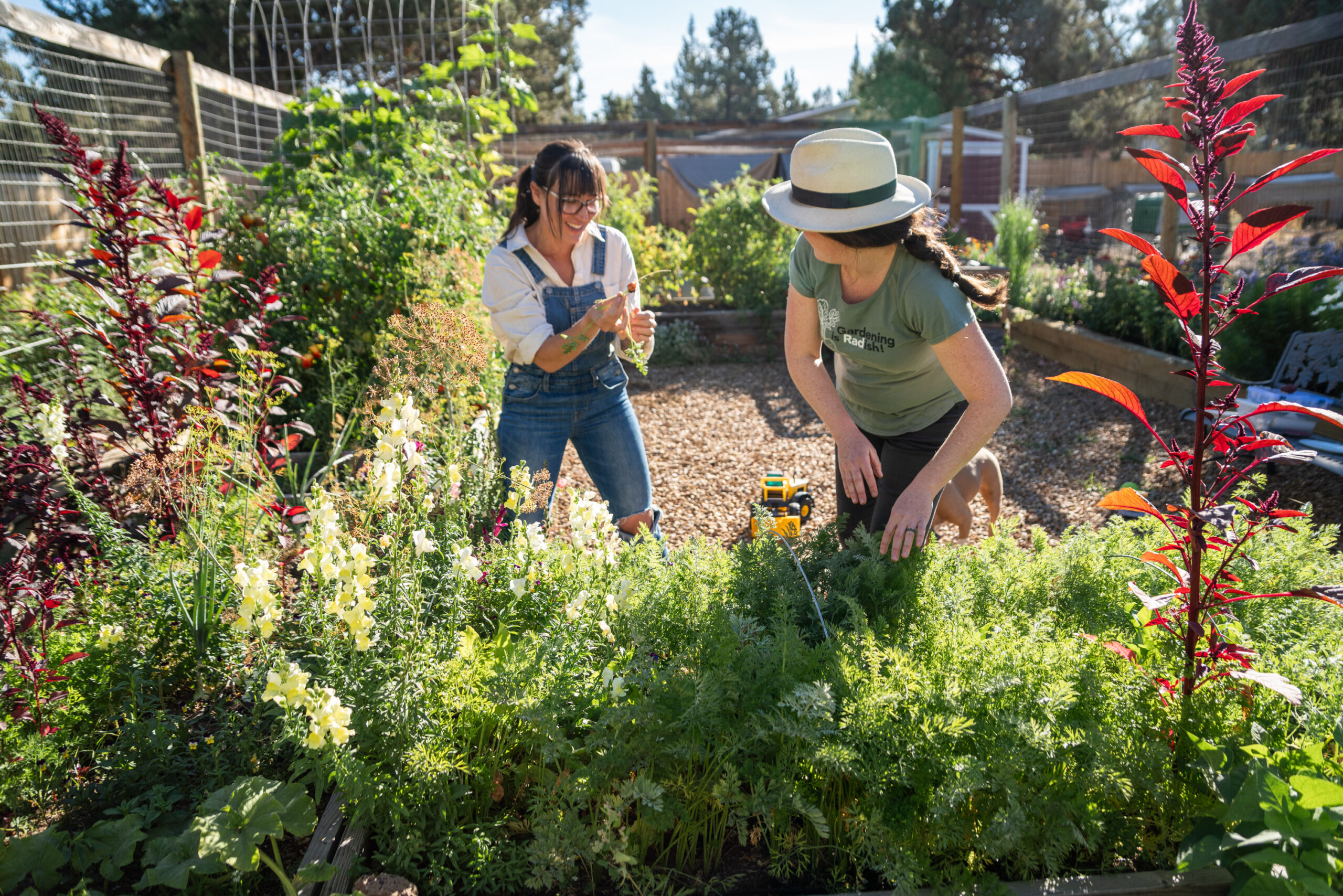
AJ: This season we expanded our offerings to include garden caretaking, where we visit gardens every two weeks and care for them for gardeners, including delivering freshly harvested boxes of veggies to our client’s kitchen doors! It’s been extremely gratifying to be able to support gardeners who don’t have the bandwidth to give their spaces the care they consistently need.
I love being out in gardens and teaching. Growth in my business doesn’t look like hiring a large team to manage, but rather collaborating with others in the community. I’m really proud of our partnership with Worthy Garden Club and our demonstration plot and workshops at Franklin’s Corner Community Garden, including the many harvests we’ve been able to supply to St. Vincent de Paul Food Pantry this season. Check out our crop planning in small spaces resource.
I’m also proud to have helped design the garden at the Deschutes County Juvenile Justice Department and offer continued support with crop planning and planting to help staff and incarcerated youth get outside and engaged with where food comes from.
I’m also looking forward to spending some indoor time during smoke season and next winter creating more instruction guides for DIYers. We continue to have requests for plans for the different variations of our mini hoophouses, as well as grab and go crop plans. So, stay tuned!
Also, there is a misconception that it’s too late to start a garden at this point in the season. It’s never too late to start a garden! It’s just about planting the right plants at the right time. I’m looking forward to the builds that I anticipate coming our way this fall as new gardeners or gardeners looking to expand their existing gardens get prepared with their infrastructure to get growing right away in the spring.
IHM: And as usual, let’s share some Central Oregon love! Can you share a couple of your favorite local businesses
AJ: I am so grateful for Central Oregon Locavore and the farmers and ranchers that help me supplement what I grow myself. Also, I joined Foundation Health and Fitness last fall and have found a community of pilates go-ers who make getting stronger so much more fun through shared laughter through challenging exercises. Angelina’s Organic Skincare keeps my face hydrated after my days slathered in sunscreen.
Thank you Ashley!
Learn more about Bend Urban Gardens at their website, and be sure to subscribe to Ashley’s email newsletter (at the bottom of the website homepage) for edible gardening tips & BUG updates! (She says is full of ridiculous garden puns to brighten your day! 😊
Follow Bend Urban Gardens on Instagram, Facebook and Pinterest.