
Low libido is one of the most common concerns patients bring to our clinic, and many are convinced it must be a hormone problem. While hormones absolutely matter, desire is influenced by far more than a single lab value.
Stress, sleep, relationship dynamics, nervous system regulation, medications, mental health, past experiences, and overall energy levels all shape how connected someone feels to their body and sexuality. When libido is reduced to estrogen or testosterone alone, we often miss the bigger picture, and sometimes the real root cause.
Desire Is More Than a Hormone Level
Libido doesn’t live in one gland or one lab result. It’s an emergent state that depends on multiple systems working together. Hormone balance, nervous system health, emotional safety, brain chemistry, and physical energy all play a role. When one of these systems is off, desire can fade. When several are affected at once, which is very common, it can feel like libido has disappeared entirely.
The Role of Sex Hormones
Sex hormones do matter, but it’s the balance between them that matters most:
- Estrogen supports vaginal tissue health, blood flow, sensation, mood, and cognitive clarity.
- Progesterone helps calm the nervous system and support restorative sleep; low levels often show up as anxiety, insomnia, or feeling “wired but tired.”
- Testosterone contributes to sexual thoughts, initiation of desire, and arousal. Even with “normal” levels, libido can be low if other systems are under strain.
The Adrenal Connection: Stress Steals Desire
From a Functional Medicine and Naturopathic perspective, libido is tightly connected to the stress response. When the brain perceives ongoing stress, whether it be emotional, physical, or metabolic, it prioritizes survival over reproduction. Cortisol plays a central role in this process.
Chronically elevated or dysregulated cortisol can suppress sex hormone production, disrupt sleep, increase anxiety, and reduce dopamine and motivation.
On the flip side, even low cortisol states (burnout patterns) can tank libido by causing fatigue, brain fog and low motivation.
This is why as Functional Medicine providers we look at diurnal cortisol patterns (often via urine testing, like the DUTCH Complete Lab) rather than just a single blood cortisol.
Nervous System State: Desire Needs Safety
Libido also depends on nervous system balance. It thrives in a parasympathetic, relaxed state and shuts down in “fight or flight.” Ongoing stressors such as caregiving overload, relationship tension, poor sleep, overexercising, or under-eating can keep the nervous system activated, making sexual desire feel biologically out of reach.
When your body is hyper-vigilant, sexual desire feels like a low priority because biologically, it is!

Considering Thyroid Function
Desire is energy-dependent. Thyroid hormones play a key role in energy production, and low thyroid function can contribute to fatigue, low mood, vaginal dryness, and reduced libido. A full thyroid blood panel (TSH, Free T4, Free T3, Antibodies and Reverse T3) can be helpful when symptoms line up.
Blood Sugar & Nutrition
Blood sugar instability is another underappreciated factor. Frequent crashes trigger cortisol spikes, which further disrupt hormone balance and nervous system regulation over time. Some signs this may be a factor for you include:
- Afternoon crashes
- Irritability when hungry
- Late-night sugar cravings
- Waking at 2–4am
Nutrition provides the raw materials for hormone production and stress resilience. When intake is inadequate, especially protein, healthy fats, iron, zinc, B vitamins, and magnesium, libido can quietly decline through reduced energy, impaired neurotransmitter balance, and increased stress sensitivity.
Gut Health & Inflammation
Functional medicine often explores the gut–hormone connection because the gut microbiome helps metabolize estrogen and because with chronic inflammation, hormonal signaling is suppressed. In this way, digestive issues can impair nutrient absorption.
This doesn’t mean everyone with low libido needs extensive gut testing, but in patients with bloating, IBS, or food sensitivities, it can be part of the picture.

Medications & Life Phases
Sometimes libido changes are due to medications or stage of life. Examples include: SSRIs and other antidepressants, birth control (hormonal), postpartum, breastfeeding, perimenopause/menopause.
These aren’t personal failings. They are physiological shifts that deserve support, not shame.
Foundational Lifestyle Support
Talk to your provider about whether some of the Functional Lab testing mentioned above may help to provide context and solutions for the source of your low libido. Regardless of lab results, everyone can support their libido by prioritizing these lifestyle factors:
- Protect Sleep – Aim for: consistent bedtime, reduced late-night scrolling, protein & carb snack before bed if you wake at 3am.
- Eat Enough – Especially Protein & Fat: Include protein at every meal, don’t fear healthy fats, avoid living on caffeine and snacks.
- Calm the Stress Response: slow walks, breathwork, yoga or stretching, laughter and social connection.
- Strength Train: Resistance training supports testosterone, insulin sensitivity, and body confidence.
Low libido is rarely caused by just one issue, and it’s almost never “all in your head.” With a whole-person approach, it’s often possible to identify what’s driving the change and support the body back toward balance, connection, and desire.
Supplements that Support Healthy Libido and Promote Vitality:
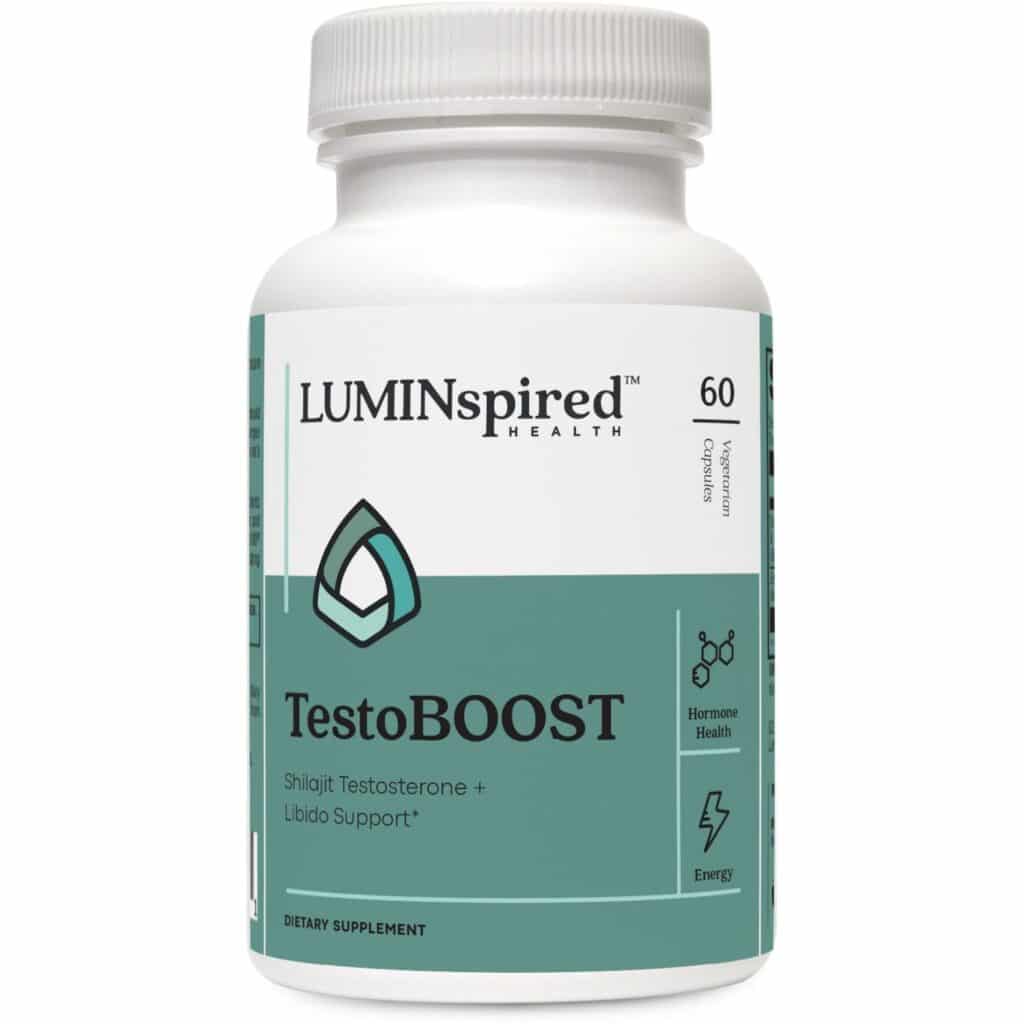
TestoBOOST: a wonderful formula known to increase libido, improve exercise tolerance, and support healthy androgen production.
FemmenessencePro (Harmony, Peri and Pro): Contains organic Maca which has also been shown to naturally boost testosterone and libido. This also has the added benefit of estrogen support.

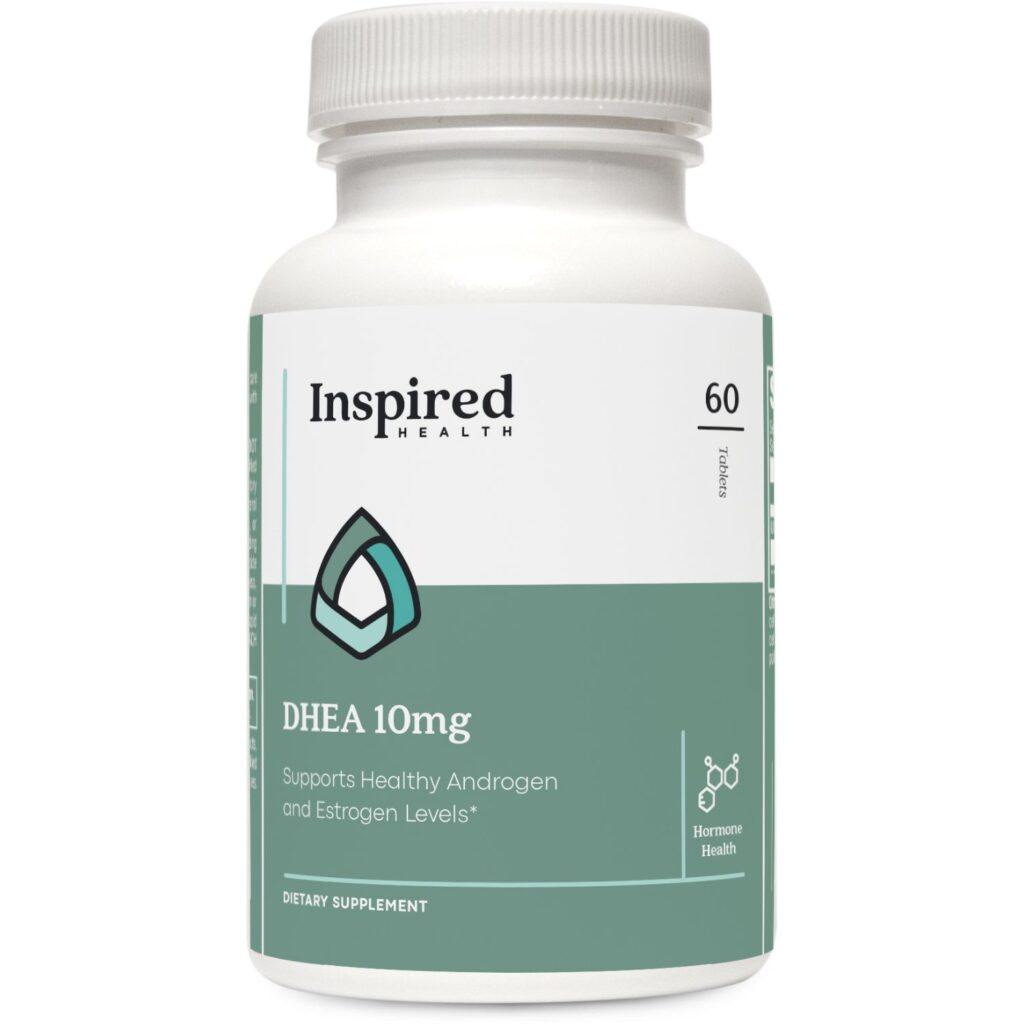
DHEA: Contains 10mg of dehydroepiandrosterone (DHEA) which is also a hormone precursor for testosterone and DHEA in women.
Sometimes, compounded testosterone cream or oral replacement is needed. It is important to evaluate personal health history, discuss lab evaluation options, and get an individualized treatment plan going with your Functional Medicine provider.

Want more Inspired tips?
Be sure to follow us on Instagram, Facebook, and Pinterest.
Also, sign up for our newsletter!
Visit us in-person at Inspired Health, or schedule a TeleHealth appointment!
References