
Perimenopause is the transitional stage leading up to menopause, marked by increasing variability in ovarian hormone production rather than a simple decline. Fluctuating levels of estrogen and progesterone can begin years before the final menstrual period and are responsible for a wide range of symptoms that affect physical comfort, emotional stability, cognitive function, and overall health.
Bioidentical Hormone Replacement Therapy (BHRT) is sometimes used during perimenopause to help stabilize hormonal fluctuations, reduce symptom burden, and support physiologic systems that are influenced by sex hormones. Its use during this stage differs from postmenopausal hormone therapy and requires careful consideration, individualized dosing, and ongoing reassessment.
Understanding BHRT in the Perimenopausal Context
Bioidentical hormones are chemically identical to endogenous human hormones. In perimenopause, BHRT typically focuses on estrogen and progesterone support, with testosterone considered in select cases as well.
Importantly, perimenopausal hormone therapy is not intended to fully replace absent hormones, as ovarian function is still present. Instead, the goal is often to provide supplemental support to reduce wide hormonal swings that contribute to symptoms.
Hormonal Fluctuation as a Driver of Symptoms
In perimenopause, symptoms often arise not solely from low hormone levels, but from rapid changes and imbalance between estrogen and progesterone. For example:
- Estrogen levels may spike and fall unpredictably
- Progesterone production often declines earlier and more steadily
- The resulting imbalance can contribute to mood changes, sleep disruption, and cycle irregularity
BHRT may help moderate these fluctuations, though response varies between individuals.
Symptom-Based Support
BHRT may be considered for patients experiencing moderate to significant symptoms that impact quality of life, including:
- Vasomotor symptoms such as hot flashes and night sweats
- Sleep disruption not explained by other causes
- Mood changes, anxiety, or irritability associated with cycle changes
- Cognitive complaints such as poor concentration or mental fatigue
- Genitourinary symptoms, including vaginal dryness or discomfort
- Changes in sexual desire
- Joint pain not explained by other causes
Symptom improvement is often gradual and may require dose adjustments over time as endogenous hormone production continues to change.
Biologic and Preventive Health Considerations
Beyond symptom management, estrogen plays a role in maintaining several physiologic systems. During the perimenopausal transition, declining and fluctuating estrogen levels may begin to affect:
- Bone remodeling, contributing to early bone loss and increased fracture risk over time.
- Brain health and cognitive function, as estrogen supports neural signaling, memory processes, and mood regulation; hormonal fluctuations during perimenopause are often associated with brain fog, changes in concentration, and increased vulnerability to mood disorders.
- Cardiovascular health, through effects on lipid metabolism, blood vessel function, and inflammation.
When initiated appropriately and monitored carefully, hormone therapy during the perimenopausal or early menopausal window may offer benefits that extend beyond symptom relief. These potential benefits must be weighed against individual risk factors and should not be assumed for all patients.

Importance of Individualized Care and Monitoring
Perimenopause is a dynamic process. Hormone needs may change over months or years, making regular follow-up critical. Clinical management often includes:
- Ongoing symptom assessment
- Periodic review of labs and treatment goals
- Adjustment of dosing as endogenous hormone production evolves
Effective BHRT during perimenopause requires flexibility rather than a fixed, long-term protocol.
Risks and Safety Considerations
BHRT carries similar risks to other forms of hormone therapy, and safety depends on multiple factors including hormone type, dose, route of administration, duration of use, and patient history. BHRT is not appropriate for all patients, particularly those with a history of certain cancers, clotting disorders or events, or active liver disease. A thorough medical history and shared decision-making with your healthcare provider are essential!
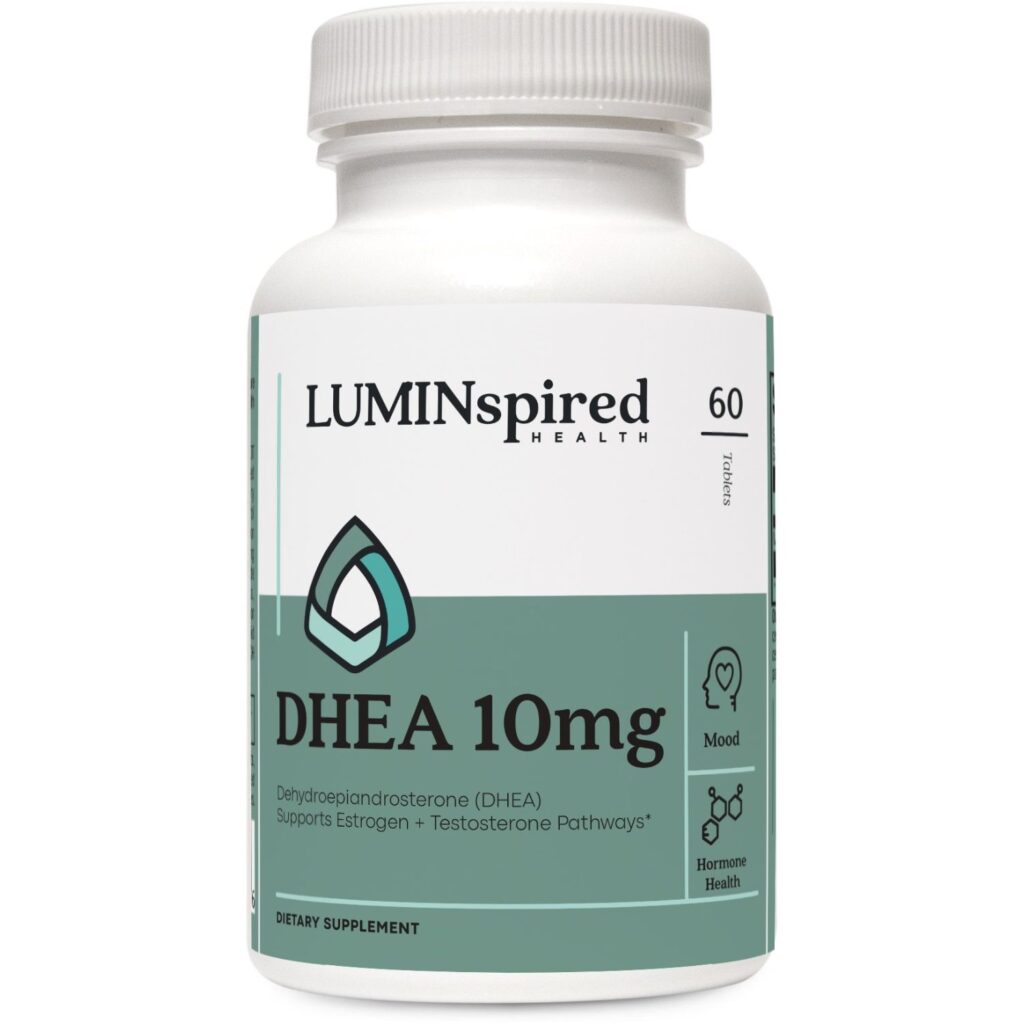
Along with estrogen, progesterone and testosterone, DHEA levels also drop in perimenopause, affecting energy, mood, and libido – supplementing can help! Interestingly, DHEA is the only steroid hormone your body makes that you can buy over the counter (aka without a prescription) but dosing is personal – so it’s still important to work with a healthcare provider to find what’s right for you.

Want more Inspired tips?
Be sure to follow us on Instagram, Facebook, and Pinterest.
Also, sign up for our newsletter!
Visit us in-person at Inspired Health, or schedule a TeleHealth appointment!
References
Liu Y, Yuan Y, Day AJ, Zhang W, John P, Ng DJ, Banov D. Safety and efficacy of compounded bioidentical hormone therapy (cBHT) in perimenopausal and postmenopausal women: a systematic review and meta-analysis of randomized controlled trials. Menopause. 2022 Feb 14;29(4):465-482. PMID: 35357369.
Compounded Bioidentical Menopausal Hormone Therapy: ACOG Clinical Consensus No. 6. Obstet Gynecol. 2023 Nov 1;142(5):1266-1273. PMID: 37856860.